Buying guide
Campervan & Motorhome Buyer's Guide
A campervan or motorhome is part vehicle, part home, so you're buying two things at once, and both need checking. Whether you want a nippy VW camper for weekends or a full coachbuilt motorhome for touring, this guide covers the base vans, the conversion types, and the habitation checks that separate a great buy from an expensive mistake.
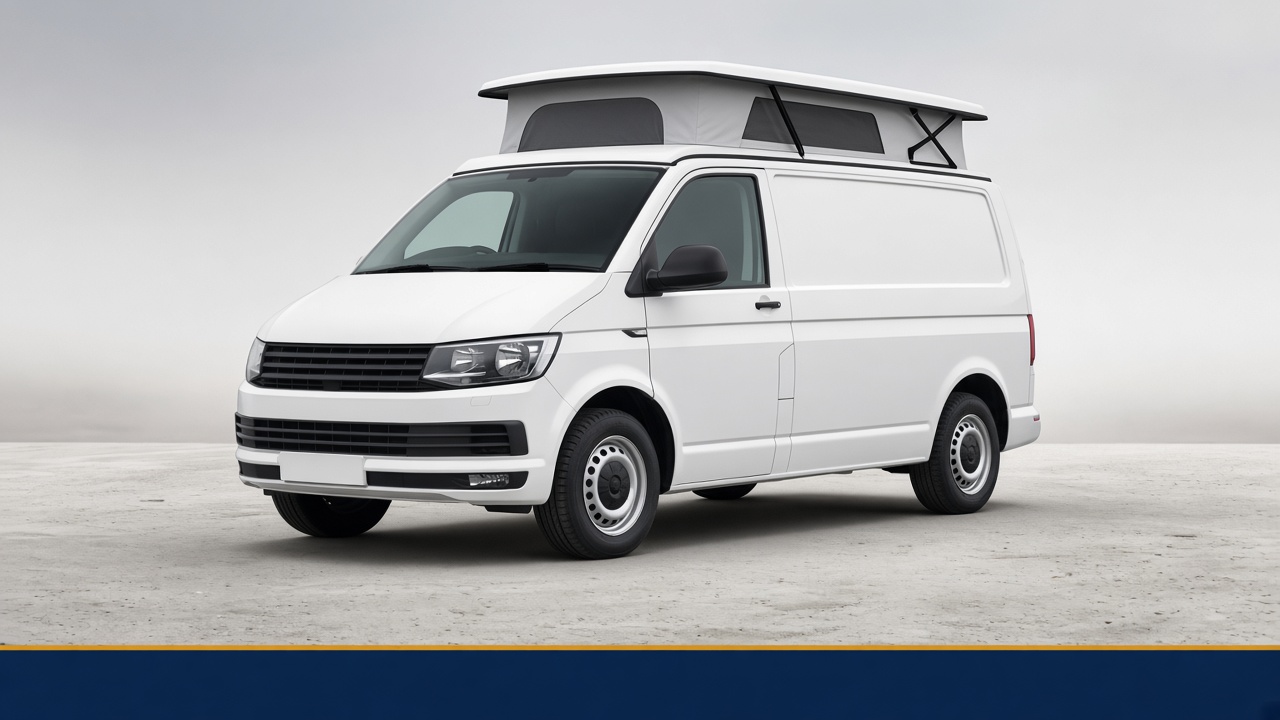
Browse live VW Californias and campervans, updated daily.
Jump to a step
- 1. Campervan vs motorhome, what's the difference?
- 2. The base vans
- 3. Factory camper vs professional conversion vs DIY
- 4. The habitation checks (as important as the van)
- 5. The van side (don't forget it)
- 6. Running costs & residuals
- 7. What should you pay?
- 8. Buying in Southampton & Hampshire
- 9. Verdict
-
Campervan vs motorhome, what's the difference?
- Campervan: a van converted to sleep/live in, keeping the van's footprint, easy to drive and park, use daily. Think VW California, or a converted Transporter/Transit/Vivaro.
- Motorhome: a larger, coachbuilt home on a van chassis (usually a Fiat Ducato/Peugeot Boxer/Citroen Relay base), far more space and facilities, but bigger to drive and store.
-
The base vans
- VW Transporter / California: the campervan favourite. The California is VW's own factory camper (pop-top, kitchen, clever design); conversions on the Transporter are hugely popular and hold value well.
- Ford Transit / Custom, Vauxhall Vivaro, Mercedes Sprinter: common conversion bases, more space than a VW for less money.
- Fiat Ducato / Peugeot Boxer / Citroen Relay (SEVEL): the UK's default motorhome base, most coachbuilt motorhomes sit on one of these. See our large van guide.
-
Factory camper vs professional conversion vs DIY
- Factory (e.g. VW California): built by the manufacturer, best resale, warranty history, no conversion worries. Priciest.
- Professional conversion: by a reputable converter, can be excellent and holds value if well done; check who built it and whether it's documented.
- DIY conversion: varies wildly. A great DIY build can be a bargain; a poor one hides electrical, gas and damp problems. Inspect extremely carefully and check the V5 reflects any reclassification.
-
The habitation checks (as important as the van)
- Damp: the number-one motorhome killer. Check walls, corners, around windows/rooflights, under beds and lockers for soft spots, stains or a musty smell. Ask for a recent habitation service / damp report.
- Gas & electrics: test the hob, heater, fridge (on gas and mains), lights and leisure battery; look for a valid gas safety record. Check the hook-up, charger and any solar.
- Water: fresh and waste tanks, pump, taps, toilet and shower for leaks and function.
- Pop-top / roof: on campervans, check the canvas, seals and mechanism; on motorhomes, check roof seams and any overcab bed.
- Weights & licence: confirm the plated weight and payload (water, gear and passengers add up fast), and whether you need a C1 licence for anything over 3.5t.
-
The van side (don't forget it)
Everything from a normal used-van check still applies: service history, cambelt, DPF/AdBlue, rust (especially on older Sprinter/Transit bases), MOT history, and a test drive. See how to buy a used van.
-
Running costs & residuals
Campervans (especially VW) hold value strongly. Motorhomes depreciate more but a well-kept one on a popular base holds up. Budget for habitation servicing, insurance (specialist motorhome/campervan cover), and storage. See our van finance guide if spreading the cost.
-
What should you pay?
Hugely variable, a factory VW California commands a big premium over a DIY-converted panel van of the same age, and motorhome prices swing on layout, berths and condition. Compare like-for-like against live stock and judge on condition, damp, conversion quality and history more than age.
-
Buying in Southampton & Hampshire
With the New Forest and south-coast touring on the doorstep, Hampshire is strong campervan and motorhome country. Browse vans in Southampton and filter to campervan/motorhome, or start from the VW California listings.
-
Verdict
Buy the habitation as carefully as the van: hunt for damp, test every gas and electrical system, check the conversion's quality and paperwork, and confirm the weights and licence. A factory VW California is the safe, strong-resale choice; a well-documented professional conversion is the value sweet spot; a DIY build needs the most scrutiny.
Find yours: browse VW Californias and campervans, and contact the seller direct.
Put this guide to work
Use what you’ve learned to shortlist stock, or list your own van for free.
Frequently Asked Questions
The VW California (factory) or a professionally converted VW Transporter are the favourites for quality and resale; Transit/Vivaro/Sprinter conversions offer more space for less money.
Damp is the big one, check walls, corners and under furniture for soft spots and stains, and ask for a recent habitation/damp report. Then test all gas and electrical systems, the water system, and the van mechanicals.
A standard car licence covers motorhomes up to 3,500kg. Heavier motorhomes need a C1 entitlement, check the plated weight, and remember water, gear and passengers eat into payload.
For many buyers yes, it's a factory-built camper with the best resale and no conversion worries. A good professional conversion on a Transporter is the main value alternative.
Related guides
How to Buy a Used Van
A complete step-by-step guide to buying a used van in the UK, from setting your budget to completing the sale safely.
How to buy a van with your head, not your heart
A practical UK guide to buying a van from a dealer or a private seller: your rights, the checks, and when to walk away.
How to Sell Your Van
Maximise your van's sale price with this guide covering preparation, pricing, photography and completing the sale.