Buying guide
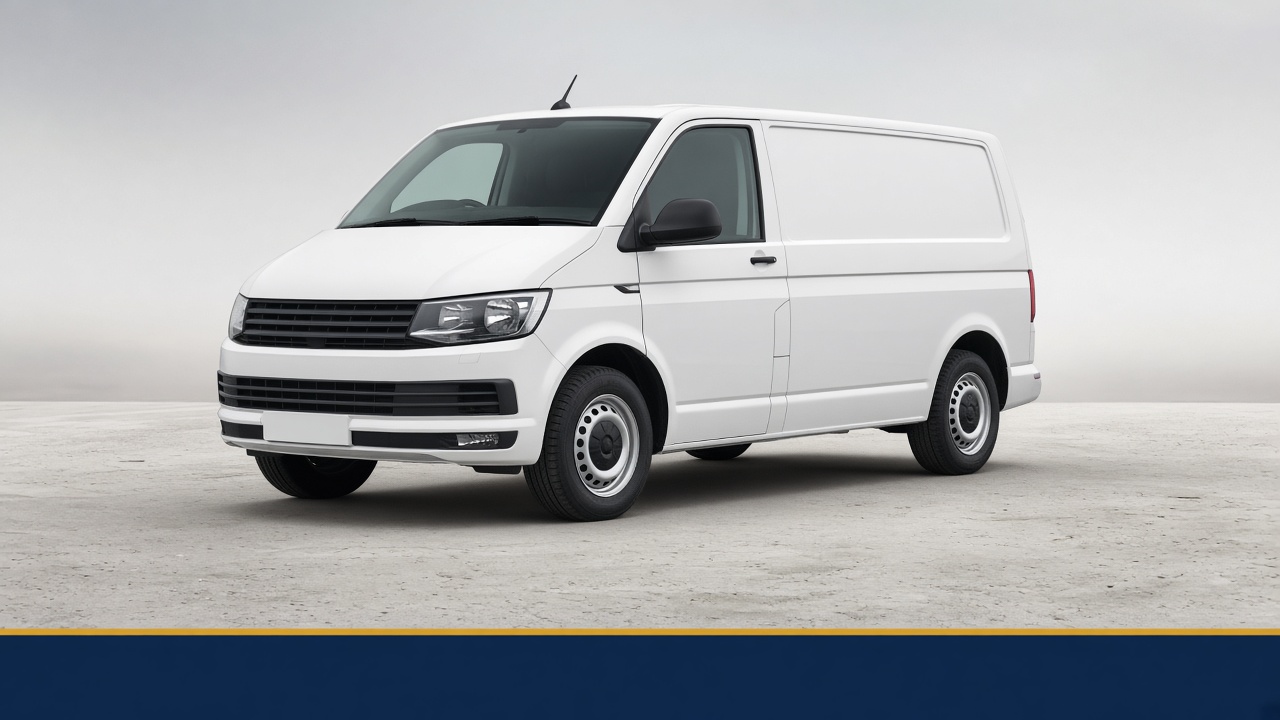
Used VW Transporter Buyer's Guide: T5, T6 & T6.1
The Volkswagen Transporter is the default choice for buyers who want a van that drives like a car, holds its value, and still looks good a decade later. It's why used examples sell fast and command a premium over rivals like the Ford Transit Custom or Vauxhall Vivaro. But "Transporter" covers more than twenty years of vans across several generations, engines and trims, and the wrong one can be expensive. This guide walks you through the generations, the engines to seek out (and avoid), the common faults to check, and what to pay, so you buy the right one with confidence. Ready to shop while you read? Browse live VW Transporters for sale updated daily from verified UK dealers.
Jump to a step
-
Which generation? T4, T5, T6 and T6.1
T4 (1990–2003). Now a modern classic, especially as a camper base. Characterful but old; parts and rust are the watch-outs. Most buyers today start at the T5.
T5 (2003–2015). The van that made the Transporter a mainstream favourite. Early T5s (2003–2009) use 1.9 and 2.5 TDI engines; the T5.1 facelift (2010–2015) brought the much better 2.0 TDI "common rail" engines, a smarter dash and the option of the 180PS bi-turbo. If you want a T5, a post-2010 T5.1 2.0 TDI is the sweet spot.
T6 (2015–2019). A heavy update of the T5 platform: new front-end styling, improved cabin, Euro 6 2.0 TDI engines (84, 102, 150 and 204PS). Drives and feels notably more modern than a T5.
T6.1 (2019–present). The current version: electric power steering (enabling driver-assist features), a redesigned dash with digital options, and updated front styling. The one to buy if budget allows: it feels contemporary and will stay desirable longest.
Rule of thumb: T6/T6.1 for the newest tech and strongest residuals; a facelift T5.1 2.0 TDI for the best value if your budget is tighter.
-
Engines: which to choose
- T5 early (2003–2009): The 1.9 TDI has a reputation for being tough but is underpowered for a loaded van. The 2.5 TDI is stronger but more prone to camshaft wear and injector issues: check history carefully.
- T5.1 / T6 / T6.1 2.0 TDI: The engines most buyers should target. Common outputs are 84, 102, 140/150 and 180/204PS. For most trades the 102 or 150PS is the practical sweet spot; the 150 is the all-rounder.
- Bi-turbo (180/204PS): Punchy, but the twin-turbo setup is more complex. On the highest-output 2.0 units there have been occasional reports of engine problems. They are rare, but a reason to prioritise full service history.
- DSG automatic vs manual: The DSG auto is excellent to drive but a known maintenance item: insist on evidence the DSG oil/service has been done. A well-kept manual is the lower-risk choice for high-mileage work.
-
Common problems to check
Transporters are reliable by van standards, but age and mileage bring predictable issues. Use this as your viewing checklist.
T5 (especially pre-facelift):
- Dual-mass flywheel (DMF): the big one. Judder or rattle when pulling away in first or reverse points to a tired DMF; replacing flywheel and clutch together is a significant bill, so factor it in.
- EGR valve: a common cause of the engine-management light; sticking/clogging is well known on these.
- Steering column knock: a knock over bumps can be the lower steering column knuckle. Common even on lower-mileage vans.
- Oil leaks & injectors (2.5): check the camshaft oil seal and oil pump; a rising oil level on the 2.5 can mean injector sealing problems. Treat that as serious.
T6 / T6.1:
- Generally dependable. On the high-output 2.0 bi-turbo (180/204PS) there have been isolated reports of engine failure. Uncommon, but buy on history.
- Check the DSG service record if automatic, and watch for AdBlue/emissions warnings on Euro 6 vans.
All generations:
- Cambelt: confirm it's been changed on schedule (belt engines). A missed belt is catastrophic.
- Rust: check sills, wheel arches, tailgate/barn-door edges and underneath, especially on older or ex-coastal vans.
- Converted campers: many Transporters are camper conversions. A good conversion adds value; a poor DIY one can hide electrical and damp problems. Inspect wiring, gas (if fitted) and roof seals, and check the conversion didn't invalidate anything on the V5.
-
Trims, sizes and body styles
Transporter spec is a code worth learning:
- Trim: Startline (basic), Trendline (mid), Highline (top), plus Sportline and special editions.
- Payload rating: T26 / T28 / T30 / T32 indicate gross weight/payload class (T32 is the heaviest-duty).
- Length: SWB (short) or LWB (long) wheelbase; some with high roof.
- Body: Panel van (load only), Kombi (removable rear seats + windows: van by day, people by weekend), Caravelle/Shuttle (passenger-focused), and California (factory camper).
Match the code to your use: a sole trader carrying light loads wants a T28/T30 SWB panel van; someone towing or carrying weight wants a T32 150PS; a family-plus-business buyer wants a Kombi.
-
What to check on any used Transporter
- Full service history and a cambelt record. Non-negotiable on a premium van.
- MOT history (free on gov.uk): look for recurring advisories (suspension, corrosion, brakes).
- Mileage in context: these engines happily do big miles with servicing. A 120k van with full history can be a better buy than a 70k van with none. See our guide on buying with your head, not your heart (How to Buy a Used Van).
- HPI/finance check: confirm it's not on outstanding finance, written off or stolen.
- VAT status: many ex-commercial Transporters are sold plus VAT. Check whether the price is VAT qualifying, as it changes the real cost.
- Test drive: cold start, listen for the DMF judder, feel for DSG hesitation, check all electrics and that the van pulls cleanly without smoke.
-
Running costs & residuals
The Transporter's trump card is resale value: they depreciate more slowly than almost any rival, so the premium you pay buying one you tend to get back when you sell. Fuel economy from the 2.0 TDI is competitive for the class; commercial road tax (VED) applies to panel-van versions, while Kombi/Caravelle passenger versions may be taxed differently, so confirm the tax class before buying. Insurance varies with power and conversion status. Our van insurance guide explains how to keep premiums down, and if you're spreading the cost, see van finance options.
-
What should you pay?
Prices move with the market, so treat these as broad guidance and check live listings for today's real figures:
- T5 (pre-facelift): the cheapest way into a Transporter, but budget for age-related repairs.
- T5.1 2.0 TDI (2010–2015): the value sweet spot: modern engine, sensible money.
- T6 (2015–2019): a big step up in feel for a moderate step up in price.
- T6.1 (2019+): the priciest used, but the strongest residuals and the most modern to live with.
Condition, history, mileage, trim and whether it's a camper conversion move prices far more than age alone. The best gauge is to compare like-for-like against current stock. See VW Transporters for sale now.
-
Buying a VW Transporter in Southampton & Hampshire
Hampshire is strong Transporter country: plenty of trades, surfers and campervan buyers keep demand high around Southampton, Portsmouth, Winchester and the New Forest. If you're buying locally you can view before you buy and avoid long collection trips. Browse used vans for sale in Southampton to see what's available near you, then filter to Volkswagen Transporter, or start from the full VW Transporter listings and filter by distance to Southampton. Buying from a verified local dealer also makes test drives, inspections and any after-sale niggles far easier to sort.
-
The verdict
The VW Transporter earns its premium: it drives well, lasts, and holds its money. Buy a post-2010 2.0 TDI with full history, check for the DMF judder on a T5, insist on DSG service records if it's an auto, and inspect any conversion carefully. Do that, and you'll have one of the best all-round vans on the road.
Ready to find yours? Browse live VW Transporters for sale on Vans 4 Sale: filter by year, mileage, trim, price and distance from you, and contact the dealer direct.
Put this guide to work
Use what you’ve learned to shortlist stock, or list your own van for free.
Frequently Asked Questions
Yes. By van standards it's one of the more dependable choices, especially the 2.0 TDI engines from 2010 onward. Reliability comes down to service history more than badge, so buy on paperwork.
A T6/T6.1 feels far more modern and holds value best. A facelift T5.1 (2010–2015) 2.0 TDI is the value pick if budget is tighter. Avoid building a budget around an early pre-2010 T5 unless the history is excellent.
These engines regularly pass 150,000–200,000 miles with servicing. A higher-mileage van with full history is often a safer buy than a low-mileage one with gaps.
On the T5: dual-mass flywheel wear, EGR valve issues, a steering-column knock and (on the 2.5) injector/oil problems. On the T6/T6.1: generally reliable, with rare reports on the high-output bi-turbo and the usual DSG and AdBlue checks.
A professionally converted Transporter camper can be excellent and holds value well, but inspect the conversion quality (wiring, gas, damp and whether the V5 reflects any changes) as carefully as the van itself.
Browse live Transporter listings on Vans 4 Sale and filter by your postcode and distance, or start from your area, for example vans for sale in Southampton.
Related guides
How to Buy a Used Van
A complete step-by-step guide to buying a used van in the UK, from setting your budget to completing the sale safely.
How to buy a van with your head, not your heart
A practical UK guide to buying a van from a dealer or a private seller: your rights, the checks, and when to walk away.
How to Sell Your Van
Maximise your van's sale price with this guide covering preparation, pricing, photography and completing the sale.