Buying guide
Used Ford Transit Buyer's Guide
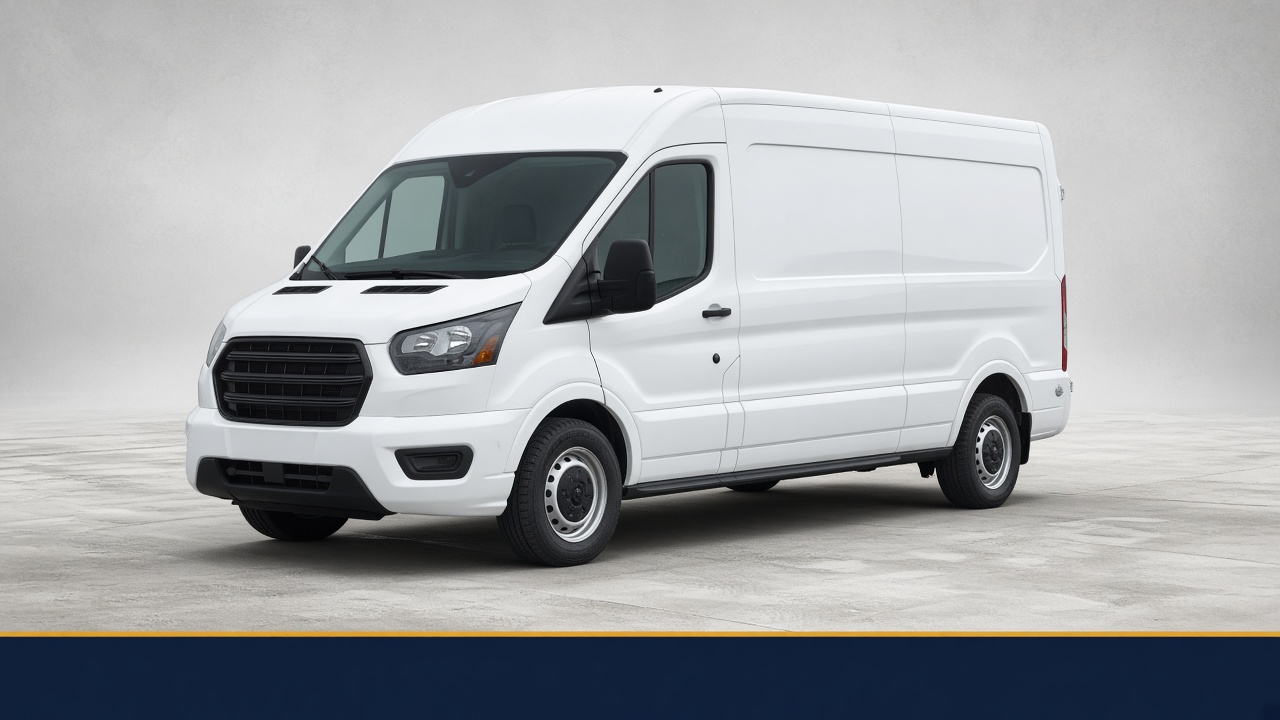
The full-size Ford Transit is the original workhorse, the UK's second best-selling van in 2025 and the default for anyone needing serious load volume, a Luton/box conversion base, or a 3.5-tonne capable platform. It's bigger than the Transit Custom; if you're moving pallets, furniture or running a tipper/dropside, this is the Ford you want. Here's how to buy a good one.
Browse live full-size Ford Transits for sale, updated daily.
Jump to a step
-
The current Transit (2014 onward)
The current-shape Transit (often called the "Transit" or MK8) launched in 2014 as a front-, rear- or all-wheel-drive van with the 2.2 TDCi, then the 2.0 EcoBlue from the 2016/17 update (Euro 6). It's sold as panel van, chassis cab, Luton, tipper, dropside, crew cab and minibus, in L2–L4 lengths and H2–H3 roofs, and in weight ratings up to 3.5 tonnes (350). The E-Transit electric version arrived in 2022.
- FWD vs RWD: FWD maximises payload for lighter loads; RWD (and AWD) suits heavy/towing work and most Luton/tipper conversions.
- Weight ratings: 290/310/350 denote gross weight, a 350 gives the most payload and is common on conversions.
-
Engines
- 2.2 TDCi (2014–2016): older but proven; the cheapest route in.
- 2.0 EcoBlue (2016/17 on): 105/130/170PS, target these. 130PS for general work, 170PS for heavy loads, towing or constant motorway use.
- Automatic: later autos are good; check service record.
-
Common problems to check
- EcoBlue wet (oil-bath) cambelt: as on the Custom, the 2.0 EcoBlue uses a belt-in-oil design, confirm the cambelt has been changed on schedule; neglect can cause oil-pickup blockage and engine damage. The #1 check.
- DPF/EGR: stop-start or short-run vans can clog the DPF, check for warning lights and regen history.
- Clutch/DMF & gearbox: judder or heavy clutch on high-mileage vans; check RWD driveline on worked examples.
- Rust & conversion checks: inspect chassis, sills and the bed/body on Lutons, tippers and dropsides; check tipper rams/hydraulics and tail-lift operation if fitted.
- Hard-worked fleet life: many are ex-fleet or ex-rental, fine if serviced, but inspect thoroughly.
-
What to check
- Full service history + cambelt record (critical on EcoBlue).
- MOT history for recurring corrosion/brake/suspension advisories.
- The right spec: length/roof (L2–L4, H2–H3), weight rating (350 for max payload), FWD vs RWD for your use, and body type (panel/Luton/tipper/dropside/crew). Confirm payload meets your needs.
- VAT status (usually plus VAT) and finance/HPI check. See buying with your head not your heart.
- Conversions: on a tipper/Luton, test the hydraulics, bed and any tail-lift; check the conversion's plating and weights.
-
Running costs & residuals
Transits are everywhere, so parts and specialists are cheap and plentiful and resale is dependable. The 2.0 EcoBlue is economical for a van this size. Larger/heavier variants cost more to run; 3.5t vans may bring driver-hours/tacho considerations for some operators. See the van finance guide if spreading the cost.
-
What should you pay?
Broad guidance, compare against live stock:
- 2014–2016 2.2 TDCi: cheapest; older engine.
- 2017+ 2.0 EcoBlue: the core of the market.
- Conversions (Luton/tipper/dropside) carry a premium for the body and equipment.
Body type, weight rating, drivetrain, mileage and history drive price. Compare on Transits for sale now.
-
Buying in Southampton & Hampshire
Builders, movers and councils across Hampshire run Transits, so local used supply is strong. Browse vans in Southampton and filter to Ford Transit, or use the Transit listings and sort by distance.
-
Verdict
For volume and conversions, the full-size Transit is hard to beat: cheap to run and fix, strong to resell. Buy a 2.0 EcoBlue with full history and a documented cambelt, pick the right length/roof/weight and FWD-vs-RWD for your load, and inspect any conversion carefully.
Find yours: browse live Ford Transits and contact the dealer direct.
Put this guide to work
Use what you’ve learned to shortlist stock, or list your own van for free.
Frequently Asked Questions
The Transit Custom is the mid-size one-tonne van; the full-size Transit is bigger, with higher roofs, longer bodies, up to 3.5t ratings and Luton/tipper options. Choose by load volume and weight.
Yes, with servicing. The key check is the EcoBlue wet cambelt; after that it's DPF health and the usual rust/clutch checks.
FWD maximises payload for lighter loads and better economy; RWD/AWD suits heavy loads, towing and most Luton/tipper conversions.
They regularly exceed 150,000–200,000 miles with servicing; history matters more than the odometer.
Related guides
How to Buy a Used Van
A complete step-by-step guide to buying a used van in the UK, from setting your budget to completing the sale safely.
How to buy a van with your head, not your heart
A practical UK guide to buying a van from a dealer or a private seller: your rights, the checks, and when to walk away.
How to Sell Your Van
Maximise your van's sale price with this guide covering preparation, pricing, photography and completing the sale.